
Twin Falls Resident Record Paths
No single public roll confirms where one person lives today. A sound Twin Falls resident lookup asks a narrow question of each custodian. The county parcel app ties an address to the listed owner and mailing fields. Idaho iCourt links a name to public case information. Elections tools answer registration questions, while vital records confirm a life event only for an eligible requester. Business and license searches show public affiliations, not a home address. The source, date, and role should stay attached to every result.
| Record | What It Confirms | Where to Search | Access |
|---|---|---|---|
| Parcel record | Listed owner, mailing and situs fields | Twin Falls County Parcel Map | Free address or parcel search |
| Voter status | Registration and current election route | Vote Idaho and County Elections | Limited public lookup |
| Court index | Public party, case, event, and hearing leads | Idaho iCourt | Index online; file through clerk or kiosk |
| Vital certificate | Qualifying birth, death, marriage, or divorce event | Idaho DHW Vital Records | Eligibility, ID, form, and fee required |
| Business or license | Entity or regulated-profession affiliation | Idaho SOS and DOPL | Free web verification |
| Historical source | Dated household, notice, or interment lead | TFPL, archives, cemetery | Online, library, or request route |
Begin with the most specific fact already known. A case number belongs in iCourt. A street address belongs in the parcel map. A former classmate is more likely to appear in Twin Falls Public Library newspapers or yearbooks than in a current government roll. If the question concerns a certified event, go straight to the proper vital-record custodian rather than treating an index entry as legal proof.
Search Twin Falls Court Names
The Idaho iCourt Smart Search is the public case-information route for Twin Falls County in the Fifth Judicial District. Enter a person as Last, First. The official tutorial also supports a complete record number, business name, wildcard, nickname or sounds-like choice, location, case status, case type, filing dates, and judicial officer. Protection-order filters appear only where access rules permit. Search spelling variants and one date range at a time when a common name yields too many records.
A public result can show the party name, linked case number, degree of charge, location, and a year of birth if one was supplied. Expanded views can expose summaries, events, and hearings. That row is a docket lead, not proof of guilt, final outcome, or current residence. Actual motions, judgments, and certified copies come from the Twin Falls County Clerk or a courthouse public-access kiosk. Compiled data across cases follows a separate court request route.
| Result field | How to use it |
|---|---|
| Party and case number | Anchor the name to one file and jurisdiction. |
| Location and charge degree | Distinguish the court and broad matter type. |
| Events and hearings | Read the procedural trail before drawing a conclusion. |
| Year of birth, if present | Use only to separate names; do not republish restricted identity data. |
The portal and the file serve different roles. Twin Falls was Idaho's first county to launch iCourt/Odyssey in 2015, but that milestone does not mean every old filing is digitized. Legacy coverage, sealing, Rule 32 restrictions, or spelling can all explain a missing result.
Check Twin Falls Voter Status
Use the Idaho voter-status tool for a registration question, not as a broad people finder. Twin Falls County's sample-ballot route asks for first name, last name, and date of birth, then leads a matched voter to the ballot view. A person who moved or changed a name should re-register, and the county notes that a voter may need to do so after four years without voting.
The public roll can include limited fields such as name, address, county, party, age, optional phone, and participation flags within an approved file request. It does not reveal ballot choices, a full date of birth, Social Security fragments, registration-card signature, or a protected address. The statewide request form has defined geography, media, date, and report choices, plus a bar on using the list for ads or solicitations. Any search must respect that stated purpose.
The voter-search screen is visible in the Twin Falls County sample-ballot instructions.
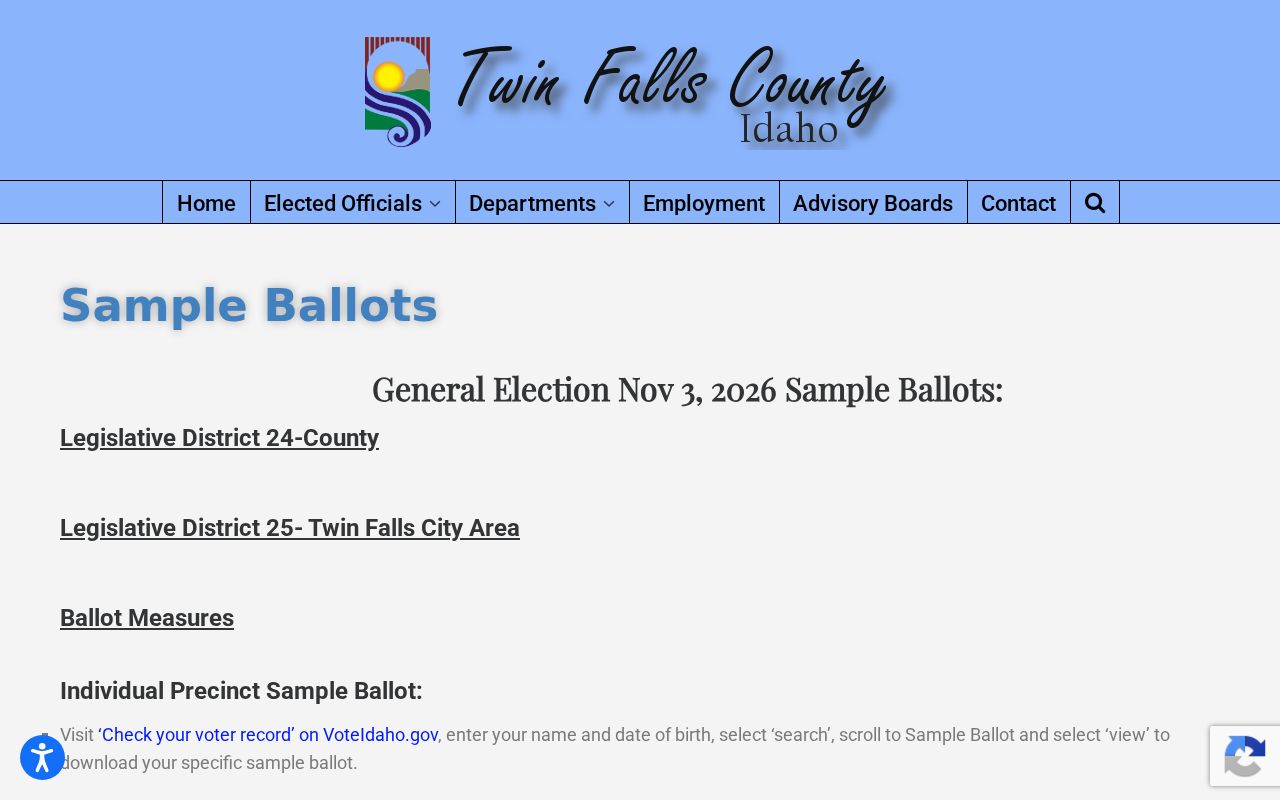
The county view shows why a voter tool is an individual status check, not a street-wide resident list.
The Idaho voter-status screen is the direct state route for the same limited task.
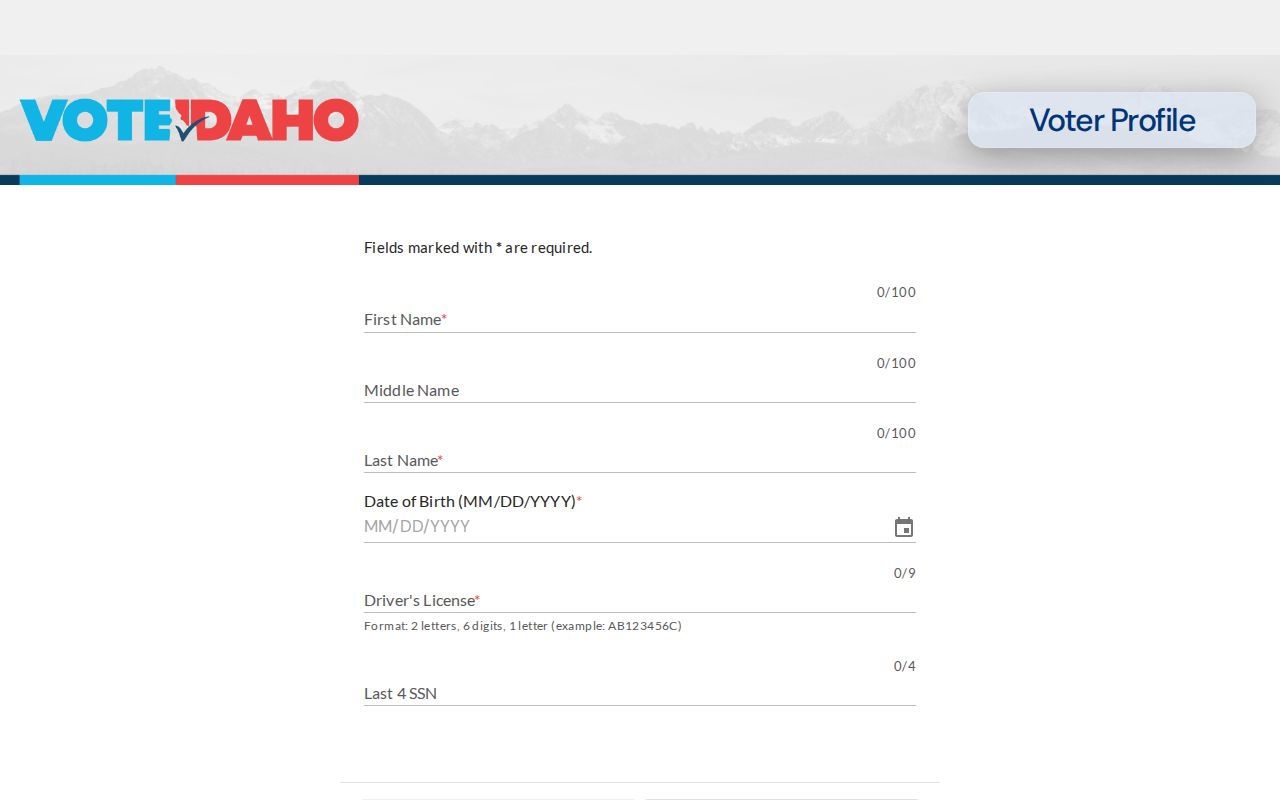
The state interface reinforces that a registration check is not proof of a full household or present occupancy.
Verify Twin Falls Resident Matches
Same-name errors are the chief risk when checking one person. Normalize the surname, first name, middle initial, suffix, former surname, and likely misspellings before searching. Then require two independent match points. Useful pairs include address plus year, case number plus county, parcel legal description plus deed date, or a directory address plus a newspaper notice. Never merge records only because the names look alike.
- Anchor the name to a dated address or record role. If property is involved, search the parcel app by address and note the owner, mailing, parcel, and legal fields.
- Search iCourt using
Last, First, variants, Twin Falls as the location, and a useful date range. Save the case number and court. - Compare facts from a second custodian. A deed, license, business filing, obituary, or eligible vital record may confirm identity without claiming current residence.
- Request the real document when legal proof matters. Give the custodian a case, instrument, event, or parcel number instead of asking for a broad dossier.
- Docket
- The dated list of filings, hearings, and actions in a court case.
- Index vs image
- An index points to a record; an image displays the document itself and may have separate access rules.
- Certified copy
- An official copy authenticated by the office that keeps the original record.
Keep the roles distinct. An owner, mail recipient, voter, case party, licensee, and old directory occupant are not interchangeable. That simple discipline makes a Twin Falls resident lookup far less likely to attach one person's record to another.
Twin Falls Vital Record Limits
Idaho Department of Health and Welfare issues certified birth, death, marriage, and divorce certificates. Idaho Code §39-270 keeps birth records confidential for 100 years and death, marriage, and divorce records confidential for 50 years. A closed record requires an eligible relationship, legal authority, property right, or other direct and tangible interest. There is no open current birth-name index for a general resident lookup.
The state offers online ordering through VitalChek or mail submission. It has no public counter. A mailed request needs the signed form, accepted identification, and payment. The current state page lists a $16 base certificate fee, standard processing of three to five weeks, and express processing of two to three weeks, with added service and shipping options. A divorce certificate is an abstract; the decree and full file remain with the county where the divorce was granted.
The Idaho birth certificate ordering page lays out the relationship, ID, and direct-interest rules.
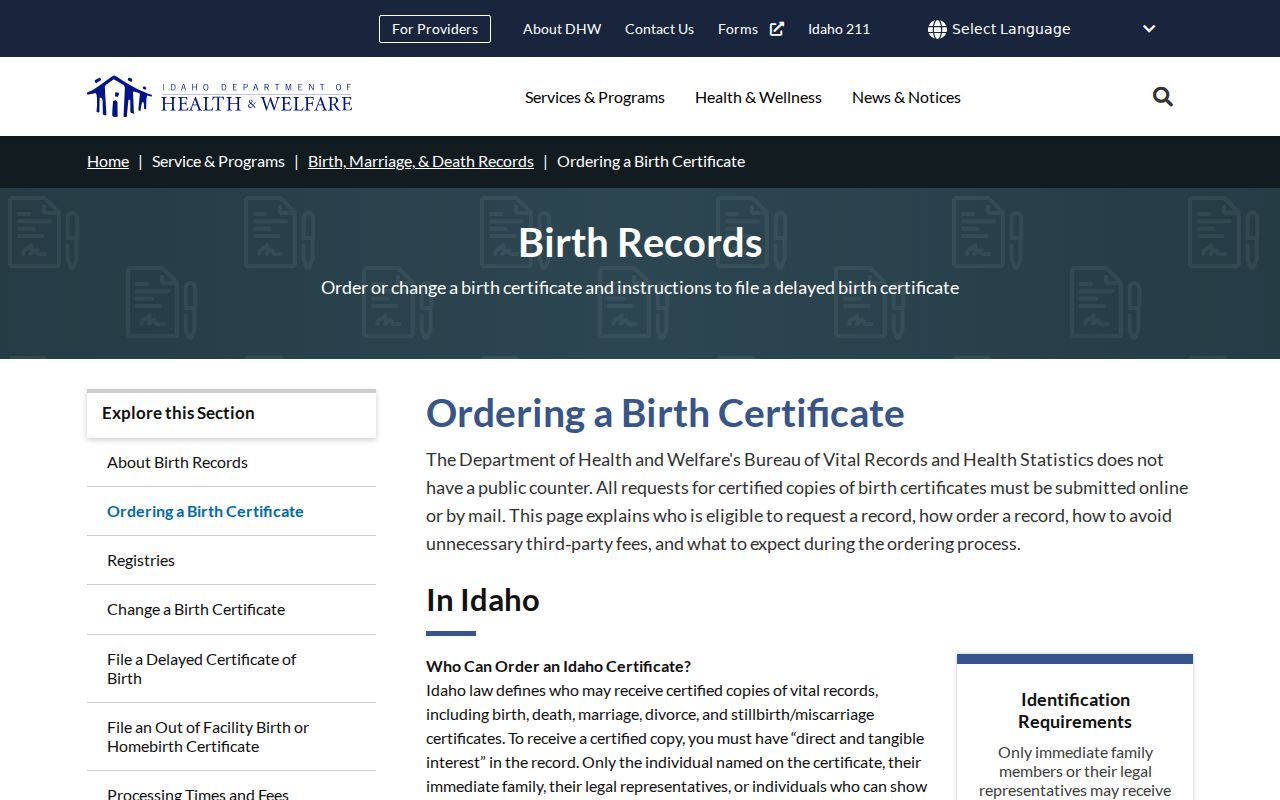
The state instructions make clear that certificate access and a public name search are separate things.
Confirm Twin Falls Public Affiliations
The Idaho Business Search can connect a name with an entity, registered-agent record, filing, trademark, or certificate. The Idaho Division of Occupational and Professional Licenses offers a text search with a board or profession filter. These sources can confirm an organizer, agent, or regulated credential, but an address in either result is a filing address. It is not proof that the person lives there.
DOPL web verification is free. An official license certification is a separate $10 request for a specific license. Complaints and investigations can be exempt under Idaho law, so the public license result should not be treated as a complete agency file. Twin Falls also has no general city business-license directory. Municipal license questions must go to the City Clerk when the activity is one the city regulates.
The DOPL license search shows the statewide profession and board choices.
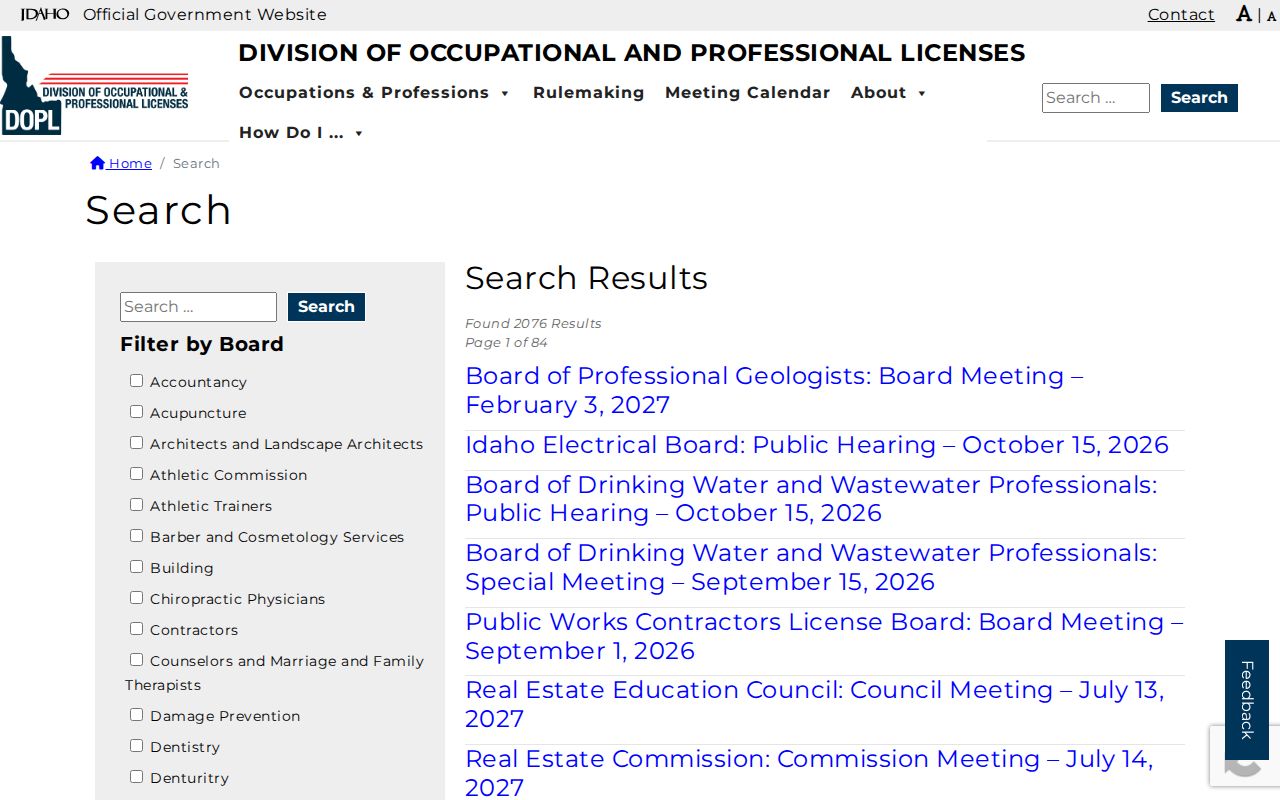
Use its result as one dated affiliation, then compare it with a second official record.
Distinguish Twin Falls State Safety Indexes
The Idaho Department of Correction Resident / Client Search is a statewide custody and supervision index, not a general Twin Falls residents directory.
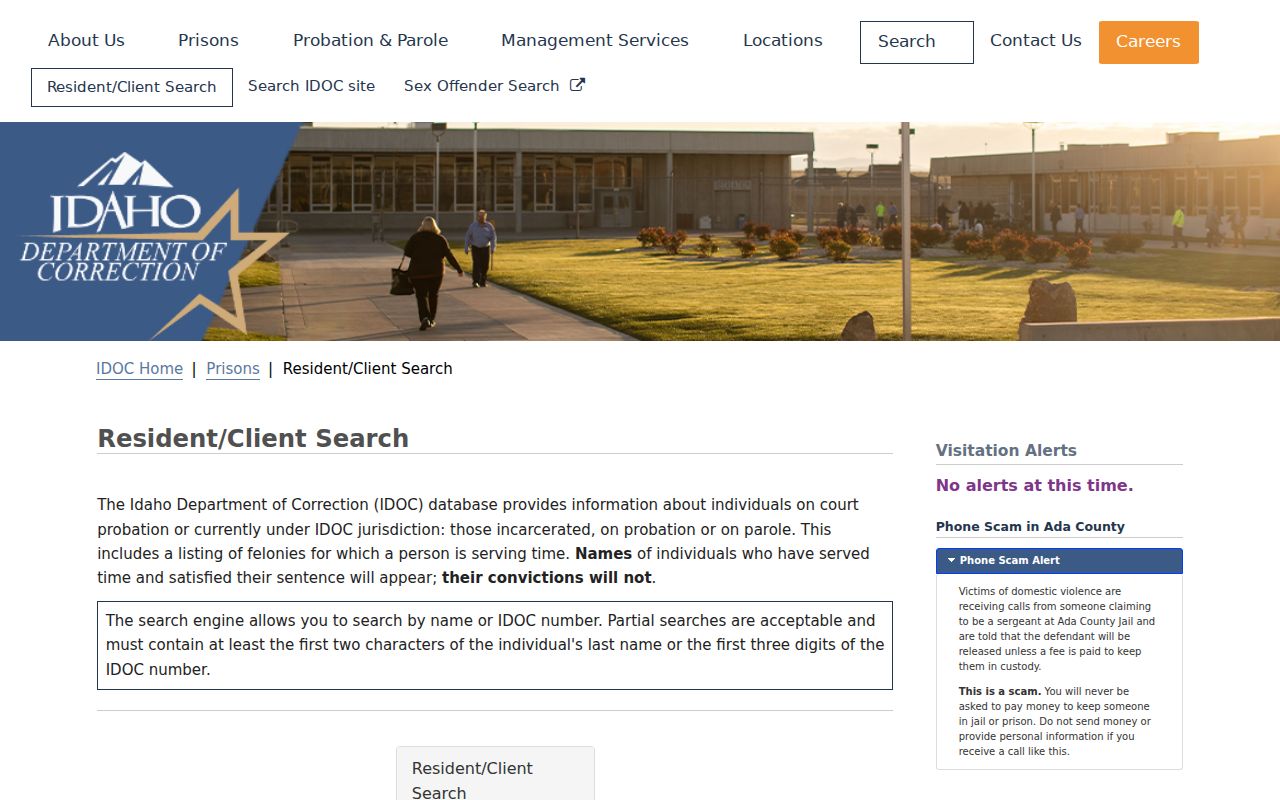
Use its identifiers and status only for a lawful, specific match, and confirm the current record with the agency.
The Idaho State Police registry search has name, city, county, ZIP, and map modes with an official use warning.
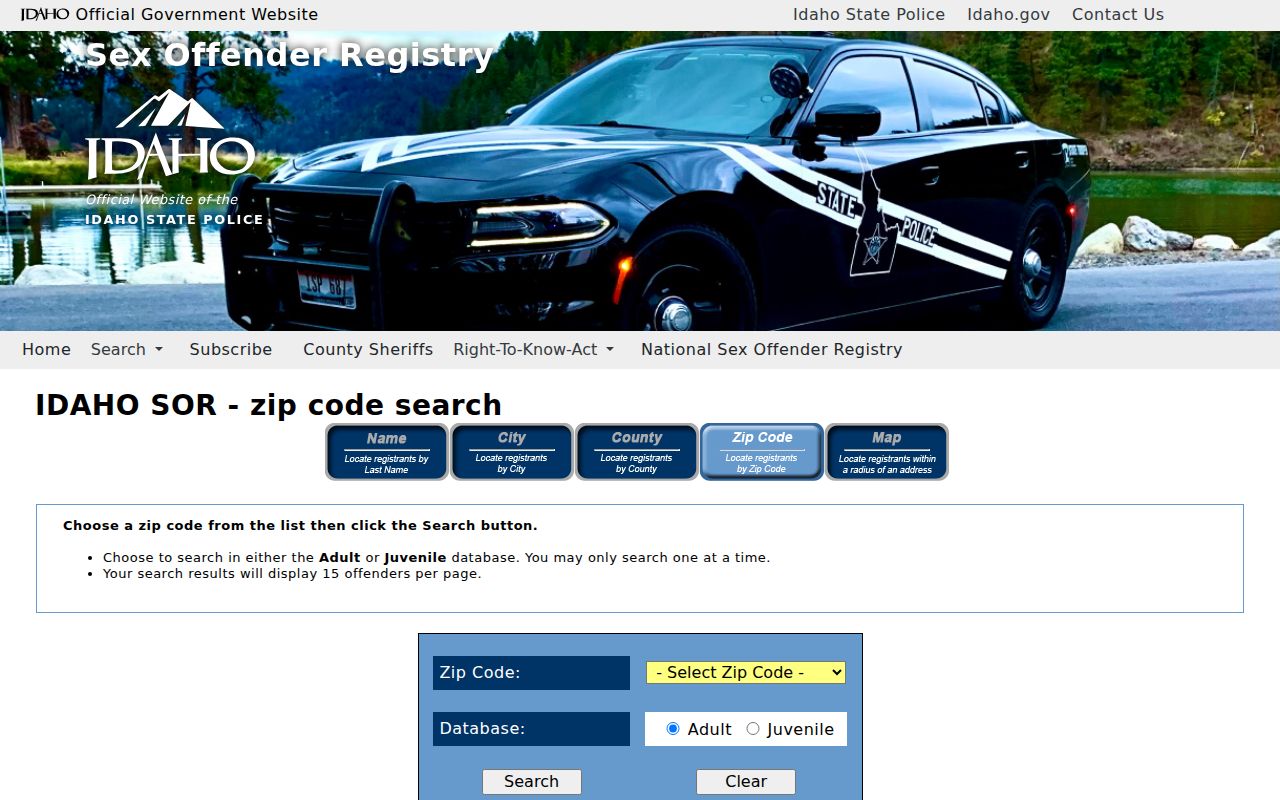
This specialized public-safety register covers only its statutory population and cannot support a broad claim about Twin Falls residents.
Trace Twin Falls Heirs Carefully
An heir search can join public probate, obituary, cemetery, deed, and directory evidence without crossing into restricted material. Start in iCourt for a public probate or estate case, then ask the Fifth District Clerk for the available docket or file. Pair names from that case with an obituary, cemetery confirmation, or recorded instrument. Restricted filings and private addresses may remain closed.
Twin Falls Public Library holds newspaper microfilm from 1904 and offers a defined Idaho Room research service. Historical directories at the library, University of Idaho, and Idaho State Historical Society cover selected years from 1908 through 2005. They are useful for dating a household, but they do not confirm today's address. No public Twin Falls adoption-name index or verified current state intermediary page was located. Adoption and birth-parent questions must stay with official DHW or social-service channels.
Best evidence. A probate docket plus an obituary and deed is stronger than a commercial profile that gives no source date.
Request Missing Twin Falls Records
When a record is not online, ask the office that actually keeps it. The Idaho Public Records Act, Idaho Code Title 74, Chapter 1, supports requests for defined public records. A county request should name the record, person, date range, parcel, case, or document number. The County Clerk handles recorded instruments and court-file access in the proper role; the Assessor corrects parcel fields; Elections handles voter records; DHW controls vital certificates; SOS and DOPL control their own results.
Do not ask an office to “find everything” about a person. A precise request is faster to route and easier to review for exemptions. If denied, keep the written response and use the appeal route stated by the custodian. Idaho's timing and fee rules vary with requester status and the work needed, so the current agency instructions should control.
Resident Lookup Privacy in Twin Falls
Official access limits are part of the result. Idaho Court Administrative Rule 32 protects sealed, juvenile, redacted, and other restricted court material. Vital records have fixed confidentiality periods. Motor-vehicle address data is restricted under the federal DPPA. Voter output omits full dates of birth, signatures, ballots, and protected addresses. A missing result can reflect one of those rules, not a false identity or absent event.
Idaho's Address Confidentiality Program gives eligible survivors a substitute mailing address, mail forwarding, and confidential voter treatment. Twin Falls application help is available through Idaho Legal Aid, while the Secretary of State administers the program. Never compare parcel, voter, or court sources to reconstruct a participant's physical address. If an open official record is wrong, contact its custodian and preserve the case, parcel, or document number needed for correction.
Lawful use. Use a Twin Falls resident lookup only for lawful personal research. Stop before unwanted contact, surveillance, harassment, or disclosure of a protected address.